Mindfulness and Emotional Regulation in Autoimmune Diseases
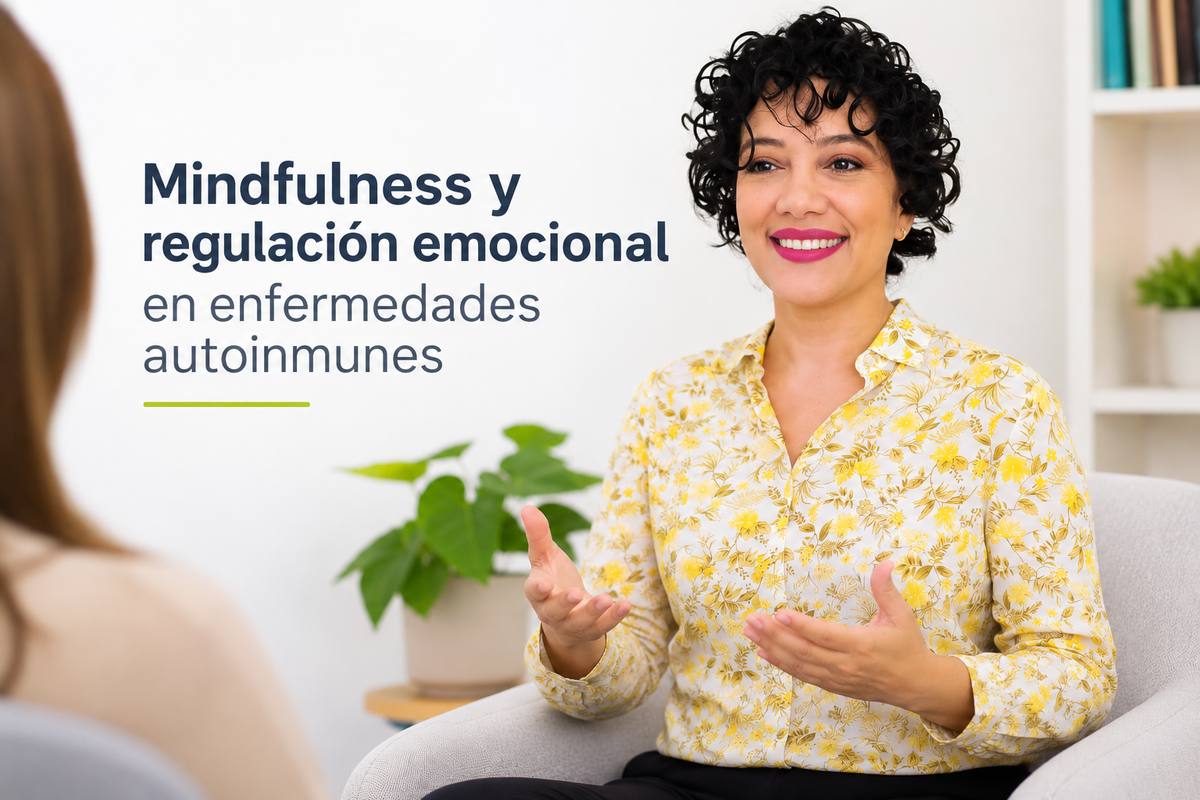
Living with an autoimmune disease can be a challenge that goes beyond physical symptoms. The diagnosis, uncertainty, changes in routine, treatments, and worries about the future can lead to anxiety, frustration, fear, or difficulty adjusting to a new reality.
Dr. Maritza Osorio, a psychologist in Barranquilla with more than 19 years of experience, explains how psychology and mindfulness can be part of the emotional support for people living with autoimmune diseases. Her perspective also comes from personal experience: Dr. Maritza has experienced lupus, so she knows firsthand some of the challenges a person may face when dealing with an autoimmune disease.
How do autoimmune diseases affect emotional well-being?
Receiving an autoimmune disease diagnosis can trigger different emotional reactions. Some people may feel fear, worry, sadness, anger, or uncertainty about the changes the disease may bring to their lives.
In addition, when symptoms vary or there are periods of improvement and relapse, it can be hard to know what to expect. This situation can cause stress and affect personal relationships, work, daily habits, and the way a person sees themselves.
For this reason, caring for a person with an autoimmune disease may require a comprehensive approach that considers both medical care and psychological well-being.
What is emotional regulation?
Emotional regulation is the ability to recognize, understand, and manage emotions in an adaptive way.
This does not mean no longer feeling negative emotions or trying to stay calm all the time. It is about learning to identify what is happening emotionally and developing resources to respond more mindfully to difficult situations.
Emotional regulation can be especially important when a person has to adjust to a chronic illness, as it makes it possible to work on the thoughts, emotions, and behaviors that may arise during the process.
What is the relationship between mindfulness and emotional regulation?
Mindfulness, also known as full attention, involves developing greater awareness of the present moment, observing thoughts, emotions, and sensations without reacting automatically to them.
Research has found evidence that mindfulness-based strategies may contribute to certain processes related to emotional regulation. A systematic review and meta-analysis that included 110 studies and more than 8,000 participants found favorable effects of mindfulness-based strategies on different aspects of emotional regulation, although it also noted methodological limitations and heterogeneity among the studies.
For a person living with an autoimmune disease, these tools can help them observe the worries and emotions related to their situation without becoming completely trapped by them.
How can mindfulness help a person with an autoimmune disease?
Mindfulness can be incorporated as a tool within psychological support to work on different emotional aspects.
These include:
- Recognizing emotions related to the diagnosis.
- Identifying thoughts that cause worry.
- Learning to respond to stressful situations.
- Developing greater awareness of one's own needs.
- Working on acceptance of situations that cannot always be controlled.
- Encouraging coping strategies.
- Improving one's relationship with one's own emotions.
- Learning to be more present in everyday activities.
It is important to understand that mindfulness does not cure autoimmune diseases or replace medical treatment. Its role can be complementary, as part of a comprehensive care process.
Dr. Maritza Osorio's experience as a patient and psychologist
Dr. Maritza Osorio's personal experience with lupus allowed her to understand the process from a different perspective: not only as a psychologist, but also from the position of a patient.
Facing a diagnosis can involve questions, uncertainty, and changes that are not always easy to process. Going through that process personally allowed her to understand some of those challenges from the inside.
Later, drawing on her professional experience, she can address these aspects using psychological tools designed to help other people understand and manage their emotions when facing an autoimmune disease.
This combination of personal experience and professional training allows the conversation about emotional health to be close and relatable, without losing sight of the fact that each patient has a different story and different needs.
When can it be helpful to seek psychological support?
A person with an autoimmune disease may consider psychological support when they feel that the emotions related to their condition are significantly interfering with their daily life.
For example, it may be advisable to seek help when there is constant worry, difficulty handling uncertainty, persistent sadness, anxiety, trouble adjusting to the diagnosis, major changes in personal relationships, or difficulty returning to usual activities.
Psychological consultation can also be helpful for developing coping strategies, even when the person does not have a specific mental health problem.
Mindfulness as a complement to, not a substitute for, medical treatment
Autoimmune diseases require appropriate medical care based on the diagnosis and the characteristics of each patient. Psychological support can complement this process by helping address the emotional side of living with a chronic condition.
Dr. Maritza Osorio explains that learning to recognize emotions, developing regulation strategies, and practicing mindfulness can help build a different relationship with difficult experiences.
The goal is not to deny the illness or stop feeling worried, but to learn to relate to those emotions in a more mindful and healthy way.
Dr. Maritza Osorio, psychologist in Barranquilla
Dr. Maritza Osorio is a psychologist in Barranquilla with more than 19 years of professional experience. She is also trained as a Mindfulness instructor, including studies completed in Valencia, Spain.
Her professional experience, combined with her personal experience as a patient with an autoimmune disease, allows her to approach emotional health from a close and human perspective.
Through psychological support, she can work on areas related to emotional regulation, mindfulness, anxiety, coping with chronic illness, and emotional adjustment, helping each person develop tools suited to their particular situation.
Find psychological support to cope with an autoimmune disease
If you are living with an autoimmune disease and feel the process is affecting your emotional well-being, seeking psychological support can be an important step.

Medical Tourism in Colombia: Health and Relaxation in One Trip!
Experience the best of medical tourism in Colombia with personalized care, top specialists, and competitive prices. Combine health and travel in a single destination!
More InformationHealthcare by City
Discover the top doctors and dentists in Colombia's major cities.