Thigh Muscle and Cardiovascular Health: What Is the Link to Longevity?
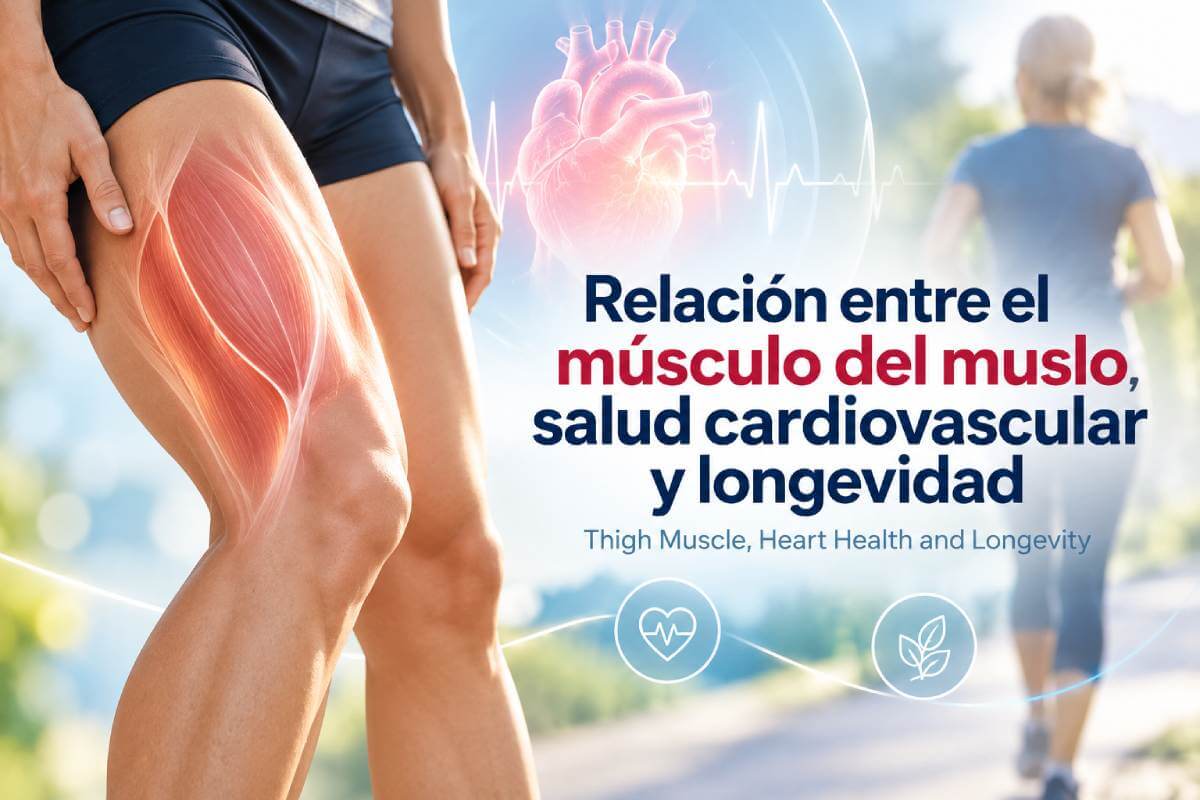
Leg muscle mass, especially in the thigh, may be related to different aspects of metabolic and cardiovascular health. A study published in The BMJ found that a low thigh circumference was associated with a higher risk of cardiovascular disease and premature death, with a threshold effect around 60 cm. However, these results show an association and do not mean that having a certain thigh circumference guarantees cardiovascular protection.
Threshold effect: Studies (such as those published in The BMJ) show that thigh circumferences below 60 cm are associated with a significantly higher risk of heart disease and premature death. Above that measurement, no clear additional benefits are observed.
Glucose metabolism: The skeletal muscle of the quadriceps is a metabolically active tissue that helps absorb blood sugar efficiently, improving insulin sensitivity and preventing insulin resistance and type 2 diabetes.
Anti-inflammatory effect: Active and strong muscles act as endocrine organs capable of releasing myokines, which are proteins with anti-inflammatory and cardiovascular protective properties.
Independence from other factors: This protective association remains regardless of overall abdominal fat, cholesterol, or traditional blood pressure.
1. Muscle as an endocrine and metabolic organ
Skeletal muscle tissue in the thigh (mainly the quadriceps) is highly metabolically active:
- Insulin sensitivity: Muscle is the body's main glucose sink. Thighs with greater muscle mass absorb blood sugar much more efficiently, which helps prevent insulin resistance and type 2 diabetes.
- Myokine release: When exercising, the legs release protective proteins (myokines such as adiponectin) with potent anti-inflammatory and cardioprotective effects.
2. Buffering capacity for harmful fats
Thighs with good muscle volume and peripheral subcutaneous fat deposits act in the opposite way to belly fat:
- While abdominal (visceral) fat constantly releases inflammatory substances that are harmful to the arteries, leg fat functions as a safe reservoir. It traps harmful fatty acids before they reach vital organs or become deposited in the heart.
3. Hemodynamic impact and longevity
From a functional perspective, lower-body strength is currently considered a more precise clinical indicator of longevity than many laboratory tests. Having optimal muscle mass improves the heart's diastolic relaxation (facilitating its filling with blood) and reduces the overall workload and stress on the cardiovascular system.
For this reason, modern medicine increasingly emphasizes changing the aesthetic paradigm of "thin legs" toward that of "strong, dense, and healthy legs" as a direct safeguard for the heart.

Medical Tourism in Colombia: Health and Relaxation in One Trip!
Experience the best of medical tourism in Colombia with personalized care, top specialists, and competitive prices. Combine health and travel in a single destination!
More InformationHealthcare by City
Discover the top doctors and dentists in Colombia's major cities.