Noise-Canceling Headphones and Your Hearing Health
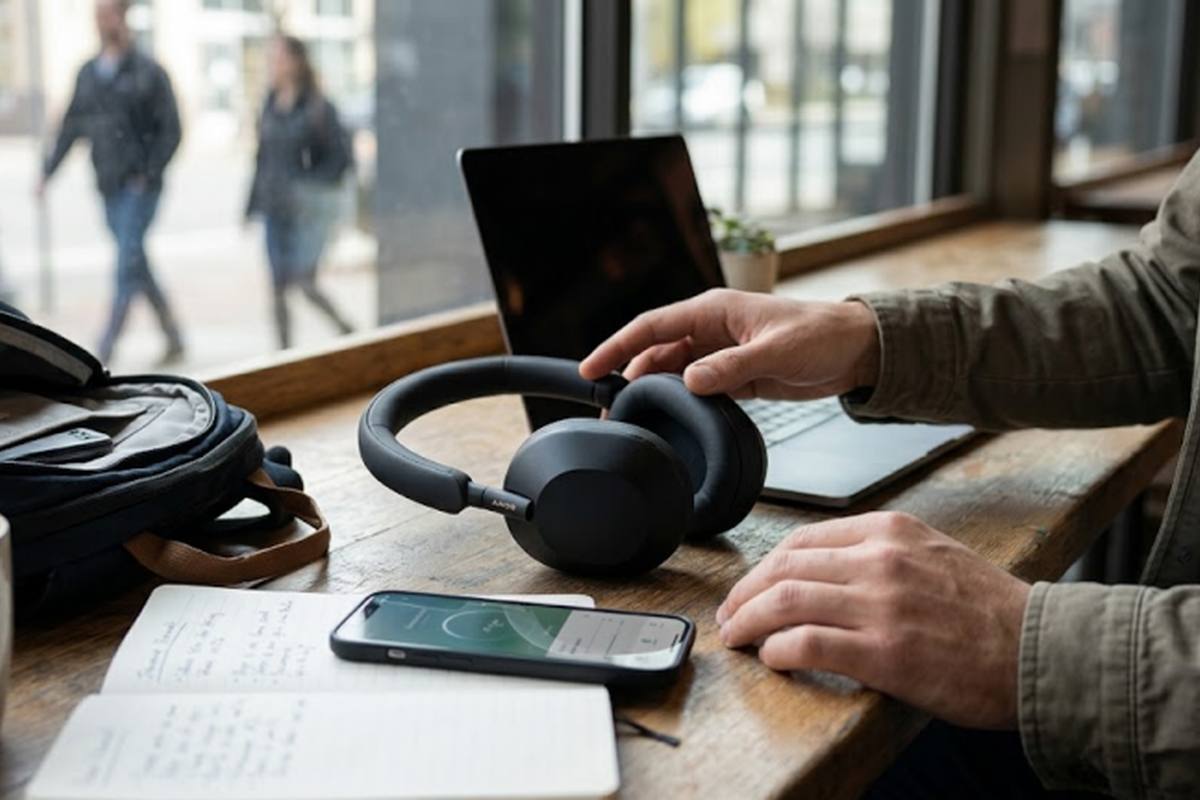
Living in a noisy city like Bogotá, Medellín, or Cali can be a real challenge for your ears. Constant traffic, construction work, the bustle of public transportation, and even office noise can affect your well-being more than you might imagine. That's why more and more Colombians are discovering the benefits of using wireless noise-canceling headphones, a technology that not only improves your experience when listening to music or making calls, but also protects your hearing health in ways you may not have known. This tool has become a key ally for those who want to take care of their ears without giving up modern life.
How constant noise affects your hearing health
Environmental noise is not just a passing annoyance; it is a public health problem that affects millions of people in Colombia. When you are exposed for long periods to noise levels above 85 decibels —something common on the metro, city buses, or even in busy coffee shops— your ears suffer gradual wear that can lead to permanent hearing loss. But the damage doesn't stop there: excessive noise also increases your stress levels, raises your blood pressure, and can affect your ability to concentrate.
What many people don't know is that hearing damage is cumulative. Every time you turn up the volume on your regular headphones to drown out outside noise, you are exposing your ears to dangerous sound levels. It's a vicious cycle: more background noise leads you to raise the volume, and that high volume ends up damaging your ears over time. This habit, so common among people who ride public transportation or work in noisy spaces, can have irreversible consequences if preventive measures are not taken.
In addition, hearing fatigue is real. After a full day of exposure to constant noise, your ears need rest. But in a city that never stops, that rest is almost impossible to get. This is where noise-canceling technology makes a significant difference, allowing you to create your own bubble of silence without having to block out the world with dangerous volume levels.
Direct benefits for your ear health
Active noise-canceling technology works through microphones that pick up outside sounds and generate inverse sound waves that neutralize them. This means you can listen to your music, podcast, or audiobook at a much lower volume, dramatically reducing the sound pressure on your eardrums. According to specialized studies, using headphones with this technology can reduce the volume needed to enjoy your content by up to 30%, which represents considerable protection for your auditory system.
Another important benefit is the prevention of tinnitus, that constant ringing in the ears that affects so many people. Tinnitus usually develops from prolonged exposure to loud noise, and once it appears, it can be permanent. By using wireless noise-canceling headphones, you significantly reduce the risk of developing this bothersome condition, which can affect your quality of life, your ability to sleep, and even your mental health.
The protection also extends to the most delicate structures of your inner ear. Hair cells, which are responsible for converting sound vibrations into electrical signals that your brain interprets, do not regenerate. Once damaged, the damage is irreversible. Keeping a moderate volume thanks to noise cancellation helps preserve these vital cells, ensuring your hearing stays healthy for longer.
Impact on your overall well-being and mental health
The benefits of reducing noise exposure go far beyond your ears. Constant noise is one of the main causes of chronic stress in urban environments. When you use noise-canceling technology, your nervous system can relax, reducing the production of cortisol —the stress hormone— and allowing your body to enter a calmer state. This is especially valuable during your daily commute or when you need to concentrate at work.
Your sleep quality may also improve indirectly. Although sleeping with headphones on is not recommended, reducing your exposure to noise during the day helps keep your nervous system from being constantly on alert. Many people report sleeping better after they start using this technology regularly, as their ears and mind get the chance to truly rest during the day.
Your ability to concentrate benefits noticeably. In shared workspaces, coffee shops, or even at home when there's outside noise, being able to block out sound distractions lets you focus better on your tasks. This not only improves your productivity but also reduces the mental fatigue that comes from trying to concentrate amid auditory chaos. Your brain doesn't have to work twice as hard to filter out unwanted sounds, which means less exhaustion at the end of the day.
Safe listening habits to prevent hearing problems
Although noise cancellation can help you listen to content at lower volumes, using it does not by itself guarantee complete protection. To take care of your hearing, it is important to pay attention to both the sound intensity and how long you use your headphones. Even with noise cancellation turned on, listening to music too loudly for long periods can increase the risk of hearing damage.
A good practice is to set a volume limit on your phone, if your device allows it. It's also a good idea to take breaks during listening sessions and avoid turning up the sound to compensate for sudden noises around you. If you use headphones for several hours a day, alternating listening time with breaks can help you maintain healthier habits.
Also, watch for signs such as ringing, a feeling of plugged ears, or difficulty hearing conversations after you take your headphones off. If these symptoms occur repeatedly, it is advisable to see a hearing health professional.
Remember that conventional noise cancellation does not replace certified hearing protectors in environments with dangerous noise levels.
How to get the most out of this technology
To get all these benefits, it is essential that you know how to use your headphones correctly. It's not enough to just buy them and put them on; there are settings and adjustments that can make the difference between basic protection and an optimal experience. Most modern models offer different noise-canceling modes that you can adapt to your surroundings: a more intense mode for public transportation, a moderate one for the office, and transparency options for when you need to stay aware of your environment.
Physical fit is also crucial. Headphones that don't properly seal your ear canal not only reduce the effectiveness of noise cancellation but can also lead you to turn up the volume unnecessarily. Try different sizes of ear cushions or tips until you find the ones that fit your ears perfectly. A good seal not only improves sound quality but also maximizes hearing protection.
It's important to learn how to set up noise-canceling headphones according to your specific needs. Many devices come with mobile apps that let you customize the intensity of noise cancellation, adjust equalization, and even activate hearing protection modes that alert you when the volume is too high. Taking a few minutes to explore these options can multiply the benefits for your hearing health. In addition, keeping your devices' drivers and firmware up to date ensures you're taking advantage of the latest improvements in noise-canceling algorithms that manufacturers are constantly developing.
Medical Tourism in Colombia: Health and Relaxation in One Trip!
Experience the best of medical tourism in Colombia with personalized care, top specialists, and competitive prices. Combine health and travel in a single destination!
More InformationHealthcare by City
Discover the top doctors and dentists in Colombia's major cities.