Struggling emotionally after a chronic illness diagnosis? A psychologist can help.
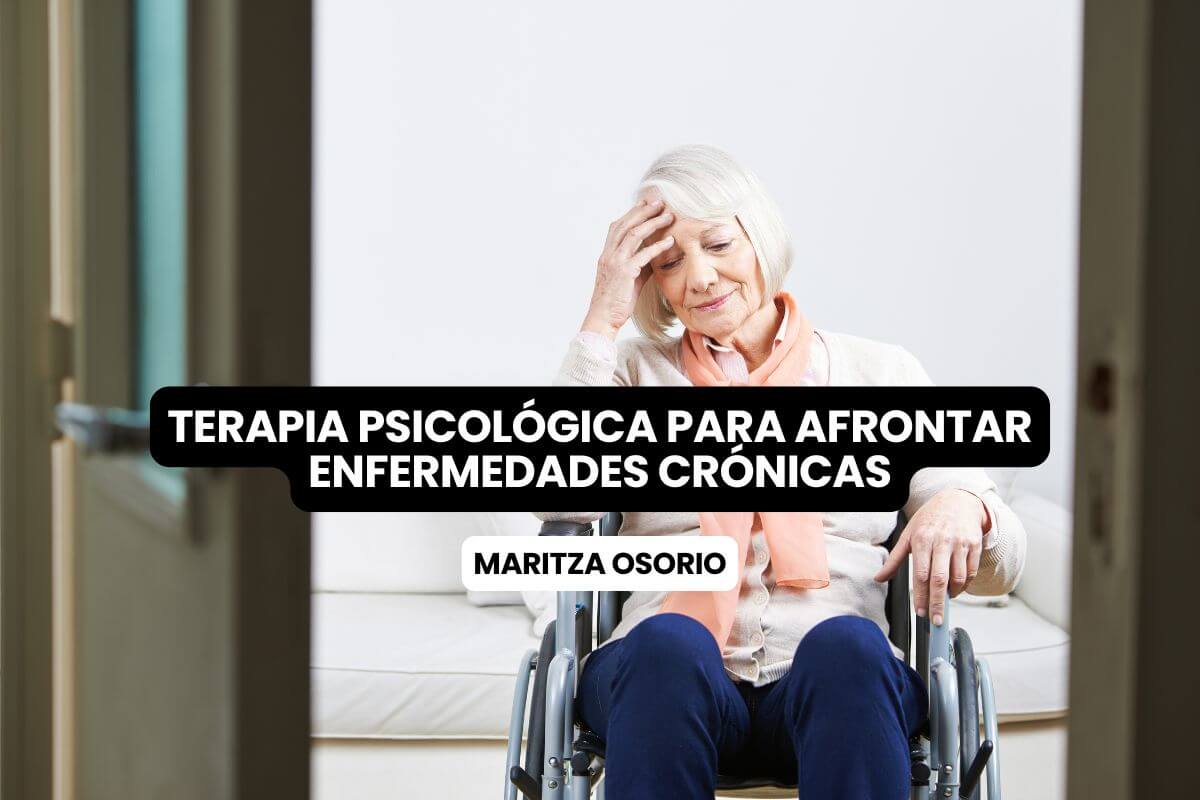
Receiving a chronic illness diagnosis can change a person’s life in a matter of seconds. In many cases, doctors explain the treatment, medications, and medical follow-ups, but very little is said about the emotional impact of living with a condition that changes the body, daily routines, and the way a person sees the future.
After the diagnosis, many people begin to wonder how to cope with the illness, how to accept the changes in their lives, how to manage fear, anxiety, or sadness, and how to move forward after receiving life-changing news. It is also common to experience emotional emptiness, unexplained crying, or difficulty recognizing one’s own body after the illness.
All of these emotions are part of the psychological impact that can arise when someone is living with a chronic illness and needs emotional tools to adapt to this new reality.
Clinical psychologist Maritza Osorio works with people going through these emotional challenges, helping them understand what they are feeling and develop psychological tools to live with the illness without losing their emotional well-being.
The Emotional Impact of Chronic Illness
When a person is diagnosed with lupus, arthritis, fibromyalgia, autoimmune diseases, chronic pain, or any long-term medical condition, it is normal to experience intense emotions such as:
- Anxiety
- Fear
- Sadness
- Anger
- Feelings of emptiness
- Uncertainty
- Low self-esteem
- Difficulty accepting physical changes
- Frequent crying
- Feeling like life will never be the same again
Many people feel that they are “no longer the same person” after the diagnosis. Others constantly worry about the future, work, family, or the possibility of their condition worsening. All of this can significantly affect mental health and overall quality of life.
What Is Emotional Grief Related to Illness?
In psychology, this process is often associated with ambiguous grief or emotional grief. A person is not only facing an illness, but also grieving the life they imagined before the diagnosis.
Grief related to chronic illness may appear when:
- The body changes physically
- Independence is lost
- There is constant pain
- Daily routines change
- Physical limitations appear
- Fear of the future develops
- The illness affects personal or work relationships
This grief does not mean weakness. It means the mind is trying to adapt to a new reality.
Why Seek Psychological Support After a Diagnosis?
Many people believe they must “stay strong” and handle everything on their own, but psychological support can be essential in learning how to live with a chronic illness in a healthier way.
Therapy can help patients:
- Manage anxiety and fear
- Reduce negative thoughts
- Develop emotional coping tools
- Improve their relationship with their body
- Accept physical and emotional changes
- Reduce the emotional impact of chronic pain
- Improve communication with family members
- Regain quality of life
Therapeutic Approaches That May Help
Psychologist Maritza Osorio works with different therapeutic approaches tailored to each patient and their emotional process.
Cognitive Behavioral Therapy (CBT)
Helps identify negative thoughts related to the illness and develop strategies to manage anxiety, fear, and stress.
Mindfulness
Teaches mindfulness techniques that help reduce emotional suffering, improve connection with the present moment, and decrease mental overload.
Acceptance and Commitment Therapy (ACT)
This approach helps people accept difficult emotions without allowing them to completely control their lives. The goal is not to “eliminate” emotional pain, but to learn how to move through it in a healthier and more conscious way.
Many people find relief in understanding that accepting an illness does not mean giving up. It means learning how to live with it without allowing it to destroy their identity or emotional well-being.
Psychologist for Chronic Illness in Barranquilla
Maritza Osorio provides psychological support for people living with chronic illnesses, health-related anxiety, emotional grief, depression after a diagnosis, and emotional changes associated with chronic pain or long-term medical conditions.
Drawing from her experience as both a therapist and a patient, she offers a professional, compassionate, and empathetic space to help people emotionally navigate this process and regain the tools needed to continue living their lives.
If you are looking for a psychologist for chronic illness in Barranquilla, therapy for anxiety related to illness, or emotional support after a medical diagnosis, you can schedule a specialized consultation.

Medical Tourism in Colombia: Health and Relaxation in One Trip!
Experience the best of medical tourism in Colombia with personalized care, top specialists, and competitive prices. Combine health and travel in a single destination!
More InformationHealthcare by City
Discover the top doctors and dentists in Colombia's major cities.