Work Stress and Burnout: Signs of Exhaustion You Shouldn’t Ignore
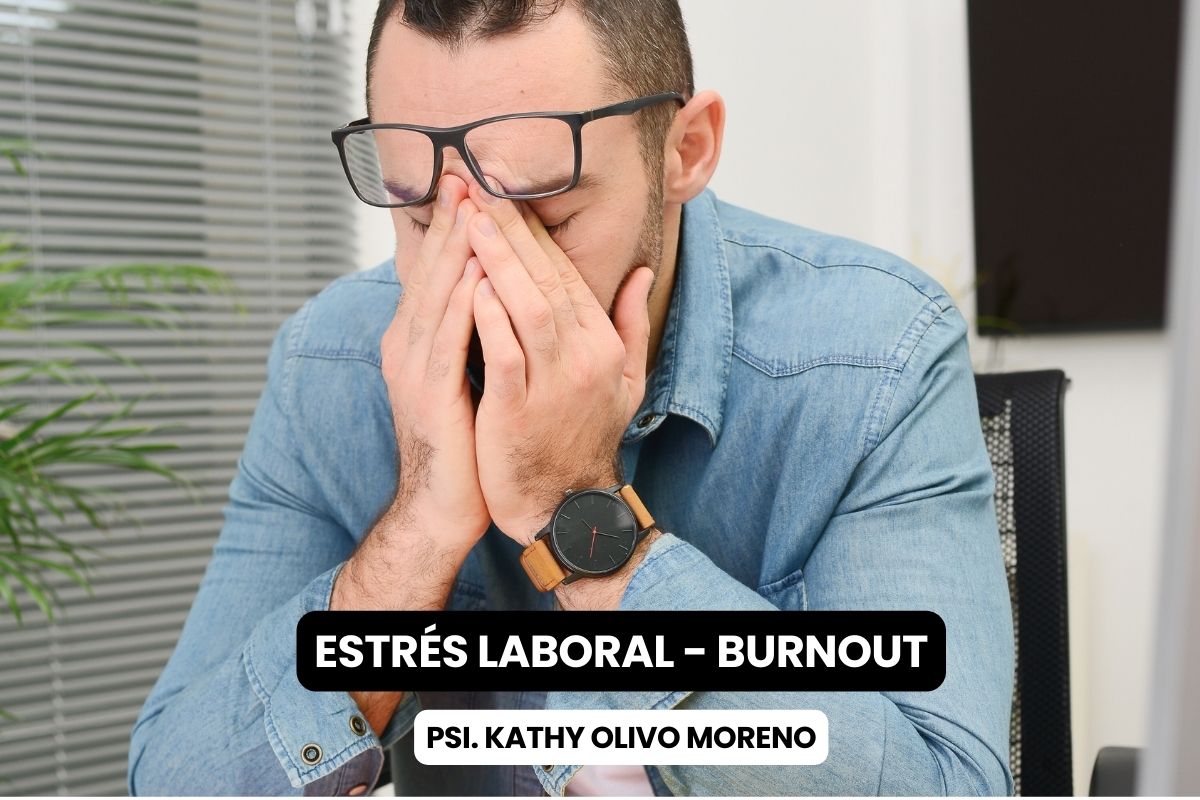
Working More Doesn’t Always Mean Working Better: The Hidden Cost of Workplace Burnout
In many organizations, constant effort is often mistaken for commitment. However, behind long working hours, continuous pressure, and sustained productivity, a silent problem may be developing: workplace burnout.
For a long time, working longer hours has been seen as a sign of dedication, responsibility, and even professional success. In many work environments, staying late, taking on multiple tasks, or being constantly available is interpreted as commitment to the organization.
But this mindset comes with a cost that is not always visible. More and more people experience extreme fatigue, loss of motivation, and a sense of overload at work. What initially seems like a demanding period can, over time, evolve into a state of emotional exhaustion known as workplace burnout. Although it often appears at an individual level, its effects also impact organizations.
When constant effort becomes unsustainable
Work is a fundamental part of people’s lives. It provides financial stability, a sense of purpose, and opportunities for growth. However, when job demands consistently exceed the personal resources available to handle them, balance begins to break down.
Workplace burnout does not appear overnight. It usually develops gradually due to factors such as:
- Prolonged work overload
- Constant pressure to achieve results
- Difficulty disconnecting from work
- Lack of recognition or support
- Poor work-life balance
Over time, this accumulation of demands can affect not only motivation but also emotional and physical health.
Signs that often go unnoticed
One of the biggest challenges with workplace burnout is that, in its early stages, it can be confused with simple fatigue or temporary stress.
However, when the exhaustion persists over time, clearer signs begin to appear:
- Persistent emotional exhaustion: Feeling drained even before starting the workday.
- Loss of motivation or disconnection from work: Activities that once felt interesting or satisfying begin to feel heavy or meaningless.
- Reduced concentration and productivity: The mind feels overloaded, making it difficult to focus and make decisions.
- Increased irritability or frustration: Small workplace difficulties trigger stronger emotional reactions.
- Feeling constantly “at the limit”: The perception that any new demand becomes difficult to handle.
These signs are not always openly expressed in the workplace, often due to fear of losing a job or being judged. However, remaining silent about them may allow the problem to progress without being detected in time.
The silent impact on organizations
Workplace burnout is often perceived as an individual issue, but it also has significant consequences for companies.
When employees experience prolonged exhaustion, effects may include:
- Decreased performance
- Lower creativity and innovation
- Difficulties in teamwork
- Increased absenteeism or employee turnover
Ironically, an organizational culture that promotes constant hyper-productivity can end up affecting exactly what it aims to strengthen: performance.
Workplace wellbeing: an investment, not a luxury
In recent years, more organizations have begun to recognize that the emotional and mental wellbeing of employees is not only a matter of social responsibility, but also a strategic factor.
Promoting healthy work environments involves actions such as:
- Encouraging reasonable workloads
- Promoting breaks and recovery time
- Strengthening empathetic leadership
- Recognizing employees’ effort and contributions
- Supporting work-life balance
When people feel valued, heard, and supported, not only does their wellbeing improve, but their commitment to the organization also grows.
A final reflection: the culture of being “always busy”
In a society where being busy is often associated with success, reflecting on the way we work has become increasingly necessary. Working with dedication is important, but the real challenge is not about working more hours—it is about working in a sustainable and healthy way.
After all, organizations do not function only through processes or results. They function above all because of the people who make them possible, and those people are their most valuable asset.
“Sustainable productivity is not built on exhaustion, but on the wellbeing of the people who make work possible.”
Kathy Olivo Moreno
Clinical & Organizational Psychologist.
Specialist in Clinical Evaluation and Treatment of Emotional and Affective Disorders.
Specialist in Human Talent Management.
Are you experiencing workplace burnout?
If you recognize these signs of burnout, work stress, or constant emotional exhaustion, seeking professional support can be an important step toward restoring your wellbeing.
You can schedule a consultation with Kathy Olivo Moreno, psychologist in Bogotá, a specialist in clinical evaluation and treatment of emotional disorders. Through professional psychological support, it is possible to better understand what you are experiencing, develop tools to manage work stress, and rebuild a healthier balance between your personal and professional life.
Schedule your appointment with a psychologist in Bogotá and start your journey toward better mental health and emotional wellbeing.

Medical Tourism in Colombia: Health and Relaxation in One Trip!
Experience the best of medical tourism in Colombia with personalized care, top specialists, and competitive prices. Combine health and travel in a single destination!
More InformationHealthcare by City
Discover the top doctors and dentists in Colombia's major cities.