Gynecologic oncologist: everything you need to know about gynecological cancer
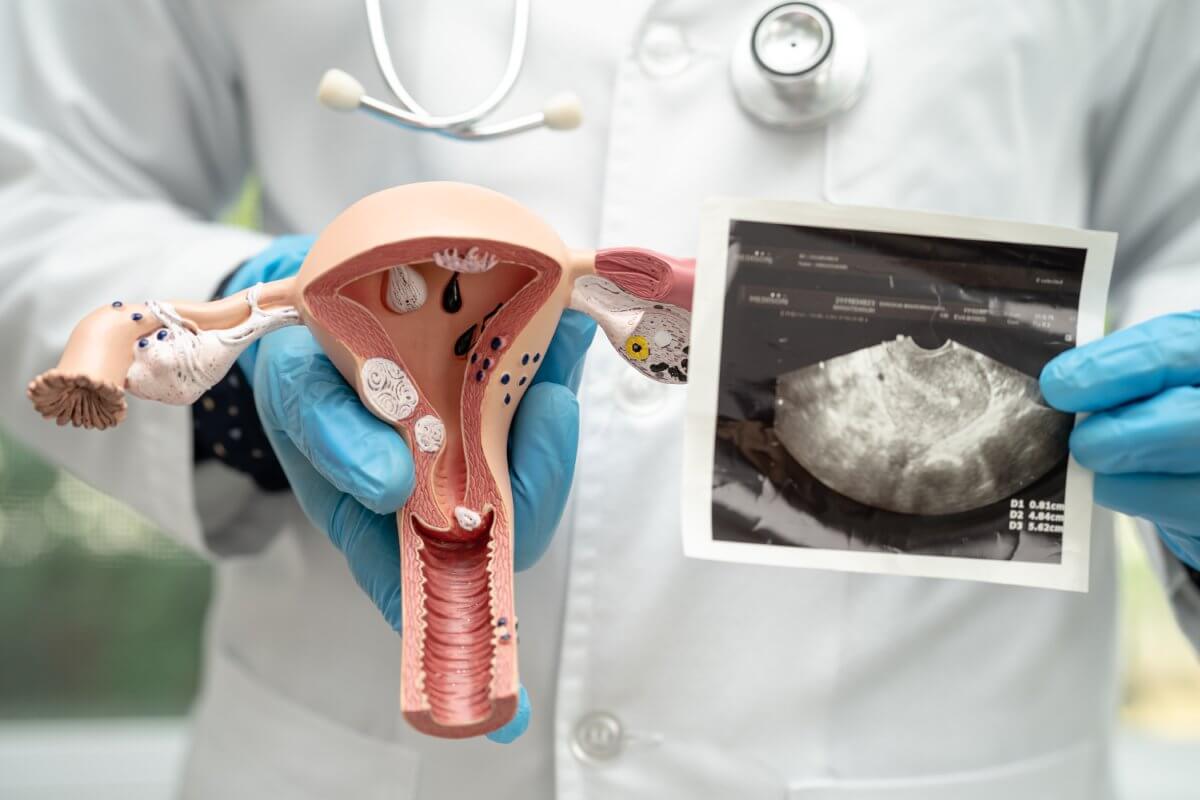
What is gynecologic oncology?
Gynecologic oncology is a medical specialty within gynecology that focuses on the diagnosis and treatment of cancers originating in the female reproductive organs, including the cervix, uterus (endometrium), ovaries, vulva, vagina, and placental tumors.
This specialty requires specific training to evaluate suspicious lesions and gynecologic conditions that may require specialized cancer treatment and management.
How do I know if I need to see a gynecologic oncologist?
Patients are usually referred to a gynecologic oncologist by their gynecologist, or they may seek specialized care after having an abnormal Pap smear, abnormal vaginal bleeding, a pelvic or abdominal mass, or masses or lesions in the vulvar or vaginal area.
A specialized evaluation may also be recommended when abnormal test results require further investigation or when a lesion has been diagnosed and needs specialized follow-up. The appropriate evaluation will depend on each patient's medical history and test results.
How is uterine cancer detected?
Uterine cancer can originate in the cervix or in the body of the uterus, and these are different types of cancer. Cervical cancer is primarily associated with the human papillomavirus (HPV), which is transmitted through sexual contact. Cancer of the uterine body, particularly endometrial cancer, is associated with several risk factors, including hormonal factors, and is more common after menopause.
Both can cause abnormal vaginal bleeding, although the symptoms may differ. Cervical cancer can be evaluated through Pap testing, colposcopy, and biopsy. Endometrial cancer may be evaluated through an endometrial biopsy, which can be obtained through procedures such as dilation and curettage or hysteroscopy.
Detection and diagnosis depend on the patient's age, symptoms, medical history, and the results of the tests performed.
How is uterine cancer treated?
Treatment for uterine cancer depends on where the cancer originated and how advanced it is. Treatment options may include medication, surgery, radiation therapy, and chemotherapy. When cancer is detected at an early stage, the chances of successful treatment are generally higher.
Treatment should be determined by a specialist based on the type and stage of cancer and the patient's individual circumstances. In some cases, several specialists may be involved in developing the most appropriate treatment plan.
What can a colposcopy detect?
A colposcopy is an examination of the cervix, vagina, and vulva using a specialized magnifying instrument. It can allow a targeted biopsy to be performed when a lesion is not clearly visible during a routine examination. It is commonly recommended after abnormal Pap test results or when a gynecologic examination raises concerns about a possible abnormality.
A colposcopy can help identify abnormal changes or lesions that require further evaluation and can guide the specialist in taking biopsies when necessary.
What are the symptoms of uterine or ovarian cancer?
Symptoms of gynecologic cancers can be nonspecific, which is why prevention and regular medical checkups are important. Pap tests, colposcopy, clinical examinations, and gynecologic ultrasounds may be recommended by a specialist depending on the patient's age, medical history, and individual risk factors.
Some symptoms can be confused with other gynecologic conditions, so experiencing them does not necessarily mean that cancer is present. However, abnormal bleeding, persistent pelvic pain, increased abdominal size, or other unusual changes should be evaluated by a healthcare professional.
What tests are used to diagnose vaginal cancer?
Vaginal and vulvar cancers may sometimes be diagnosed at a more advanced stage, when symptoms such as a mass, lesion, or bleeding become noticeable. This is why regular gynecologic examinations are important for detecting abnormalities as early as possible.
When a suspicious lesion is found, the specialist may recommend additional tests and a biopsy to determine its nature. The diagnostic process depends on the characteristics of the lesion and the results of the studies performed.
What does bleeding look like when there is uterine cancer?
Bleeding associated with cervical cancer may be bright red and painless and can occur at any age. In some cases, it may have an unpleasant odor if an infection is present. When cancer originates in the endometrium, abnormal vaginal bleeding may occur, particularly in women who are perimenopausal or postmenopausal.
Any vaginal bleeding after menopause should be evaluated by a healthcare professional because it can have several possible causes and does not necessarily mean that cancer is present. However, it is important to determine the cause and perform any recommended tests.
How long does it take for HPV to turn into cancer?
Human papillomavirus (HPV) infection can initially cause changes in the cells of the cervix. If a high-risk HPV infection persists over time, it can lead to precancerous lesions and, in some cases, eventually develop into cervical cancer. The risk depends on several factors, including the type of HPV and the individual's immune response.
The progression from HPV infection to cancer usually takes years, and most HPV infections do not progress to cancer. HPV vaccination and regular gynecologic screening are important tools for preventing and detecting HPV-related cervical abnormalities at an early stage.
How is HPV treated in women?
There is no medical treatment that guarantees the immediate elimination of human papillomavirus (HPV). In many women, the immune system can control the infection over time. However, some HPV infections can persist and cause cellular changes or lesions that require monitoring or treatment.
There are different types of HPV, and some high-risk types are more strongly associated with precancerous lesions and cervical cancer. For this reason, regular gynecologic screening, HPV vaccination, and appropriate follow-up of detected abnormalities are important for reducing the risk of complications.
Gynecologic oncologist in Barranquilla
If you are looking for a gynecologic oncologist in Barranquilla, it is important to choose a specialist with specific training in gynecologic oncology and experience in diagnosing and treating conditions related to gynecologic cancer.
Dr. Álvaro González is a gynecologic oncologist in Barranquilla with extensive experience in the evaluation and management of different gynecologic and oncologic conditions.
His area of practice includes conditions such as cervical cancer, endometrial cancer, uterine cancer, ovarian cancer, vaginal cancer, and vulvar cancer, as well as HPV-related lesions that require specialized evaluation.
If you need an appointment with a gynecologic cancer specialist in Barranquilla, have an abnormal Pap test, a suspicious lesion, abnormal vaginal bleeding, or have received a diagnosis that requires evaluation by a gynecologic oncologist, you can schedule a consultation with Dr. Álvaro González.
Finding the right specialist is particularly important when there is a suspected or confirmed gynecologic cancer, as treatment and follow-up should be tailored to each patient's individual condition.

Medical Tourism in Colombia: Health and Relaxation in One Trip!
Experience the best of medical tourism in Colombia with personalized care, top specialists, and competitive prices. Combine health and travel in a single destination!
More InformationHealthcare by City
Discover the top doctors and dentists in Colombia's major cities.